← Selected work
Case study · Sathon, Bangkok, Thailand

12 Ngam Duphli

What was here continues. What comes next takes shape.

Reference imagery
Location

Sathon, Bangkok, Thailand

The building

Restored, and more than forty years old

Tenants

BURNT, Bapsang and TIDE CAFE & BAR

Our role

Brand, film, content, website and ongoing creative direction

Brand storytellingCreative directionPlacemaking strategyFilm productionPhotographySocial media strategy and managementContent productionCopywritingTenant storytellingWebsite strategyUX/UI designWebflow developmentCMS architectureLeasing communicationsDigital experienceNeighbourhood storytellingCampaign developmentPhotography and film libraryOngoing creative direction

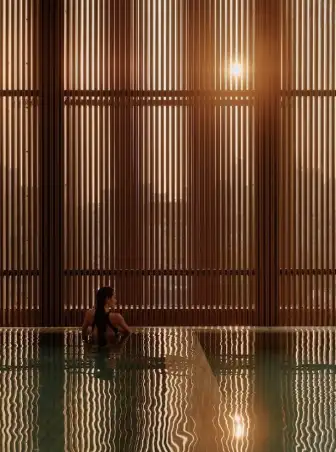
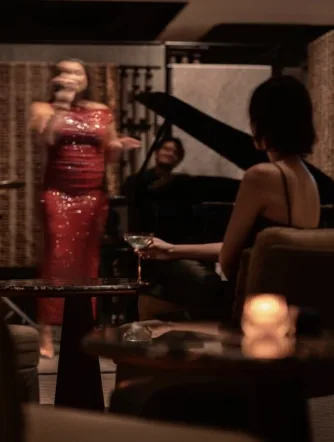
Photography on this page is reference imagery until approved 12 Ngam Duphli photography is added.

The project

A building that already had a life.

For more than four decades, the structure had existed quietly within Ngam Duphli, part of a neighbourhood shaped by homes, restaurants, small businesses, side streets and generations of everyday activity.

The easiest option would have been to erase it. Start again. Build something entirely new. Instead, the decision was made to work with what was already there. To preserve what deserved to remain. Restore what could be restored. And carefully create space for something new to happen within it.

That philosophy became the starting point for our work. VOLANTT's role grew far beyond creating content for a property. We helped translate the development into a story, build its digital home, shape how its tenants and neighbourhood were introduced, communicate its leasing proposition and create an ongoing visual and editorial language that could evolve as the place itself evolved. Not simply the marketing of a building. The storytelling of a place in transition.

The central idea

What we choose to keep says something about what we value.

12 Ngam Duphli was never meant to feel like a newly manufactured lifestyle destination placed on top of an existing neighbourhood. Its value came partly from what was already there.

The original structure. Familiar textures. Marks left by time. The proportions of the building. Its relationship with the soi. And the memory of more than forty years of life around it.

Instead of hiding these traces, the creative direction embraced them.

Because progress does not always begin by starting over. Sometimes, it begins by deciding what deserves to stay.

From property marketing to placemaking

Architecture as the setting. Tenants as the characters.

One of the earliest decisions was that 12 Ngam Duphli should not be communicated as another commercial development. The story needed to be bigger than floor area and available units.

Architecture would become the setting. Tenants would become the characters. Ngam Duphli would become the wider story. And the evolving life within the project would give people reasons to return.

That moved the communication from property marketing toward placemaking. The question became less "What spaces are available?" and more "What kind of place is being created here, and who belongs within it?"

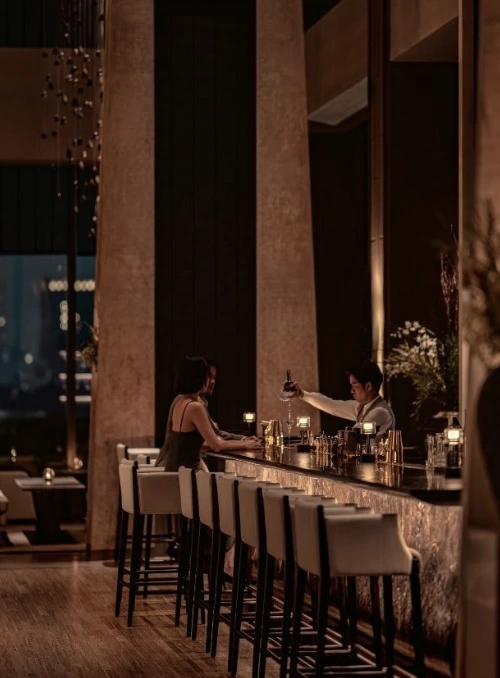
Reference photograph: barcounter
Reference imagery
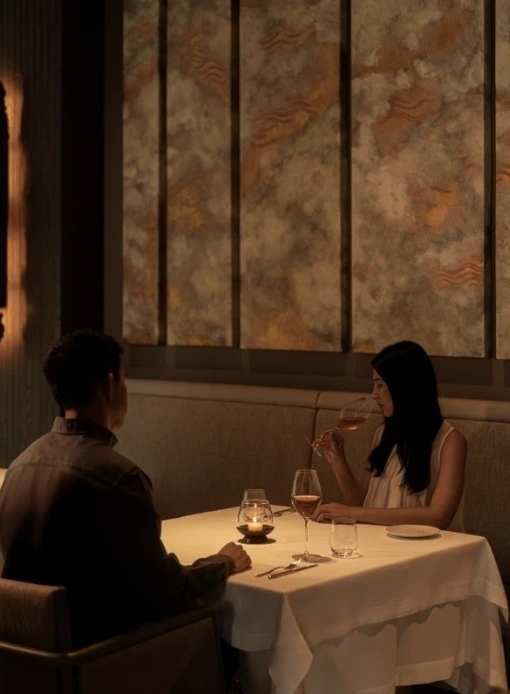
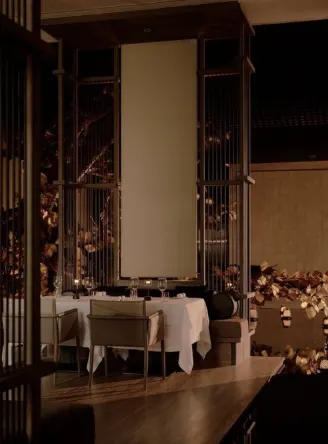
Reference photograph: diningroom
Reference imagery
A place reimagined

Not old versus new. Both, together.

The creative language grew around continuity: the possibility that preservation and progress can exist together. A building entering its next chapter without losing the character of the one before. Four lines became central, and they guided film, social content, website copy, leasing communication and the wider visual identity.

  1. 01

    What was here continues. What comes next takes shape.

  2. 02

    Restored, not replaced.

  3. 03

    Keep what matters. Make room for what comes next.

  4. 04

    Heritage continues. Life unfolds.

A three-film story

Past. Place. People.

One of the first major commissions was a cinematic series of three films. Instead of advertising the development directly, the films gradually reveal its meaning, each from a different perspective.

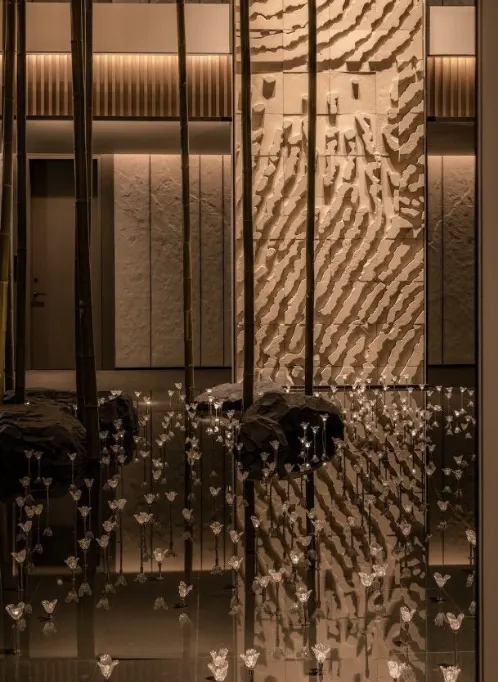
Reference photograph: texture
Film I. To be added to this page.Reference imagery
Film I

What We Choose to Keep

The first film centred on preservation. It was never meant to romanticise age for the sake of nostalgia. Instead, it explored the intentional choice to keep the existing structure and let the past stay visible within the new development.

Construction details. Old materials. Original surfaces. The building during transformation. Small traces of what existed before. The film framed restoration as an act of judgement, not sentimentality, and became the emotional foundation for everything that followed.
Film II

The Neighbourhood

The second film widened the frame, because 12 Ngam Duphli does not exist in isolation. It sits within one of Bangkok's older urban neighbourhoods, surrounded by the energy of Sathon, Lumphini, Silom, Yen Akat and the wider city.

Instead of a generic Bangkok location film, the story focused on contrast. The movement of the streets. The sounds of the soi. People passing through. Restaurants. Morning routines. Traffic. Quiet corners. And then the transition back into the calmer world of 12 Ngam Duphli: a quieter place within the rhythm of the city.

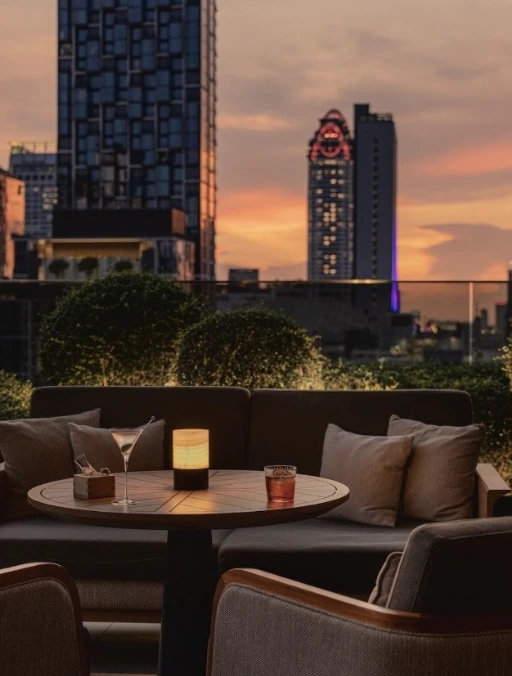
Reference photograph: rooftop
Film II. To be added to this page.Reference imagery
Reference photograph: teppan
Film III. To be added to this page.Reference imagery
Film III

BURNT

The third film brought the story from architecture into people. BURNT became one of the first tenants to show how 12 Ngam Duphli could come alive.

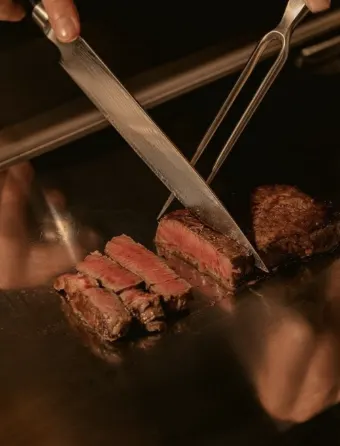
Instead of a conventional tenant advertisement, the film explored the restaurant through its own rhythm. Fire. Heat. Food. Hands. Plates. People arriving. Tables filling. Conversation. The energy of the restaurant against the quieter architectural character around it.

Documenting transformation

The unfinished stages became part of the story.

Alongside the hero films, VOLANTT documented the project through its transition. This gave 12 Ngam Duphli something more valuable than a single polished launch campaign: an archive of the property's evolution.

The unfinished stages became part of the story, not something to hide.

ConstructionRestorationDevelopmentEarly architectural detailsThe property before completionThe merit-making ceremonyTenant preparationsThe changing facadeThe finished spaces
Social media and content

Social as an extension of placemaking.

As the physical project developed, VOLANTT became responsible for shaping its ongoing social presence. The aim was never simply to keep a posting schedule. Social media became an extension of the placemaking strategy, a place to gradually introduce the project's history, architecture, tenants, neighbourhood, materials, openings, remaining spaces and, eventually, the life happening inside it.

Monthly content combined photography, film, editorial graphics, tenant stories, leasing communication and neighbourhood storytelling. The feed became an evolving record of the destination.

A content system

Themes that grow with the place.

Instead of isolated posts, we built recurring editorial themes. That gave the brand continuity while letting the subject matter change as the project matured.

  1. 01

    Heritage stories

    What existed before.

  2. 02

    Architecture content

    Restoration, materials and details.

  3. 03

    Neighbourhood stories

    Connecting 12 Ngam Duphli to the wider city.

  4. 04

    Tenant profiles

    The people and thinking behind each business.

  5. 05

    Construction and fit-out stories

    Spaces taking shape.

  6. 06

    Leasing content

    Inviting the right future tenants into the project.

  7. 07

    Lifestyle content

    The everyday rhythm emerging within the property.

The tenants as characters

Not a directory. A cast.

Tenants were never treated as logos on a list. Each business became part of the editorial world of 12 Ngam Duphli, keeping its own identity while adding to the story of the place.

Reference photograph: teppan
Reference imagery
01

BURNT × 12 Ngam Duphli

The first major example of tenant-led storytelling. Beyond photography and video, we made editorial content around the restaurant itself: the kitchen, the fire, the menu, the people. A recurring concept, A Day at BURNT, showed it as part of everyday life within the development. A little smoke. A little char. People staying longer than expected.

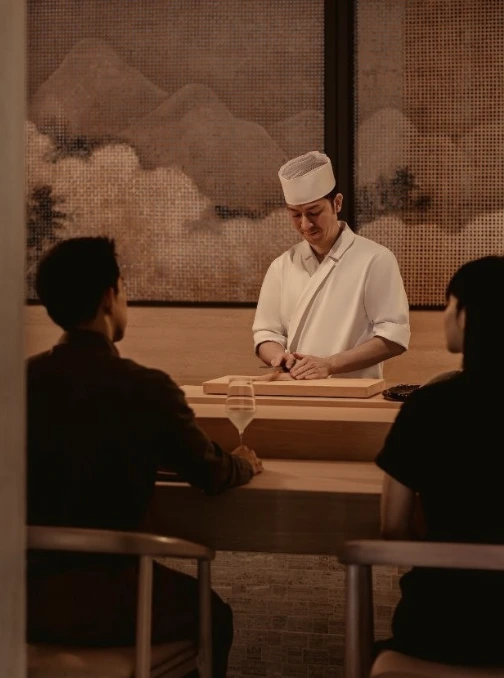
Reference photograph: chef
Reference imagery
02

In Conversation

On the website, tenant pages became a format built around voices. For BURNT, photography pairs with a sequence of quotations, letting the people behind the business speak about their approach and their relationship with the property. It behaves like an editorial feature, not a directory, and became the template for future tenant stories.

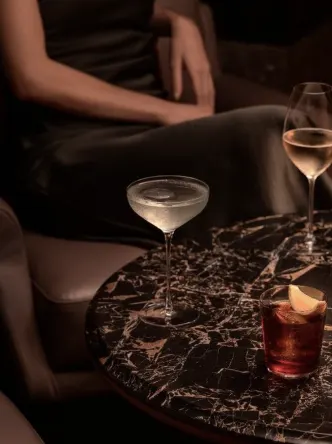
Reference photograph: cocktails
Reference imagery
03

TIDE CAFE & BAR: from Bang Saray to Bangkok

When TIDE prepared to open in Bangkok, we developed a longer-form teaser narrative around its arrival. A new tide is coming to Bangkok. Construction and hints first, then the founders, the space, the offering and, eventually, the opening. The aim was anticipation without announcing before the space was ready.

Reference photograph: tableside
Reference imagery
04

Bapsang

Another distinct character in the tenant mix. The creative system was designed to hold different personalities while keeping an overall sense of place. A strong destination does not need every business to look the same. It needs them to feel as though they belong together.

The aim was not to say, here are our tenants. It was to reveal, here are the people and ideas beginning to live here.

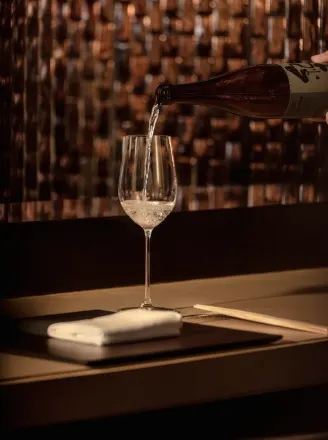
Reference photograph: winepour
Reference imagery
Leasing as an invitation

Room for what belongs next.

One of the most important strategic decisions was how to talk about the spaces still available. We deliberately did not let leasing dominate the brand story. The philosophy came first. Then the architecture. Then the neighbourhood. Then the existing community. Only after people understood the place did we introduce the opportunity to become part of it.

Leasing became an invitation, not a hard sell. Selected spaces remain, for food and beverage, wellness, design, retail, creative businesses, culture and ideas that feel right for the place. A room could become a restaurant, a studio, a gallery, a wellness concept or a shop: another reason to return to Ngam Duphli.

Even enquiries were designed to feel considered. Instead of a generic sales call to action, prospective tenants are invited to arrange a private viewing and discover whether the building is the right setting for their business. The goal was not to fill every unit. It was to attract the right businesses.

More than a space. A place for ideas to take shape.

The digital home

A website that is the destination.

As the project matured, VOLANTT's role expanded again, to the dedicated 12 Ngam Duphli website. The ambition was clear from the start: it should not be a static property brochure, and it should not exist purely as a leasing site. It should become the digital home of 12 Ngam Duphli, a platform that evolves with the physical destination.

The visual concept took its cues from independent magazines, not conventional property websites. Architecture is the setting. Tenants are the characters. Ngam Duphli is the story.

One of its defining interactions is Day / Night. The building changes significantly between daylight and evening. By day, the materials and the restoration are easier to see. At night, light, restaurants and people change the atmosphere completely. Instead of choosing one identity for the hero, the visitor can move between both. Even the sun and moon were given subtle custom movement, not a conventional switch.

The control below demonstrates the interaction. Its imagery is reference, not 12 Ngam Duphli.

View the website ↗
The website

Editorial, and built to grow.

The site sits somewhere between a destination website, a neighbourhood publication and a leasing platform. It was built on a CMS, not hard-coded around its first tenants.

  1. 01

    The hero

    Opens on the property, with a cinematic hero and the line, What was here continues.

  2. 02

    Restored, not replaced

    The restoration philosophy gets its own space, told through materials, photographs and concise writing.

  3. 03

    Architecture as narrative

    Movement through the building as story: exterior, corridor, courtyard, details, materials.

  4. 04

    What lives here

    Tenants presented as part of the place's identity, not a logo grid.

  5. 05

    Dedicated tenant pages

    Photography, story, hours, information and editorial content, without leaving the 12 Ngam Duphli world.

  6. 06

    CMS architecture

    Tenants, stories, events, features and availability as structured content, so the site changes without a redesign.

  7. 07

    Interactive leasing

    Buildings, floors, units, occupied and available spaces: a living view of the development, not a PDF.

  8. 08

    Seen Around 12

    A gallery of small observations: a facade, a street, a detail, something passing by.

  9. 09

    Around 12

    A pocket guide to Ngam Duphli and beyond. And then, back to quiet.

  10. 10

    The map

    How the quiet soi sits within a much larger city, as utility and narrative together.

  11. 11

    Materials and details

    Old walls, restored elements, metal, wood, concrete and signage, treated as evidence of character.

  12. 12

    Motion

    Restrained: fade, slide, depth, hover. Movement should reveal something, then disappear into the experience.

  13. 13

    Mobile first

    Most of the audience arrives through Instagram, so mobile was a primary experience, not a smaller desktop.

  14. 14

    Contact with intention

    Separated by purpose: leasing, partnership and general enquiries.

One ecosystem

Content as infrastructure.

Because VOLANTT worked across both social and digital, we could design the ecosystem as a whole. A tenant teaser could begin on Instagram. A longer story could live on the website. A film could become part of a tenant page. A neighbourhood post could later become part of the editorial map. A leasing campaign could lead directly to available-space information.

Photography made for one purpose could keep living elsewhere. Content stopped being disposable. It became infrastructure.

12 Ngam Duphli is not a project with one final campaign and an end date. New businesses arrive. Spaces open. Tenants evolve. The neighbourhood changes around it. VOLANTT's role has been to maintain continuity while allowing the story to keep moving. The visual language stays recognisable and the tone stays considered, but the subject is never static.

Part of the neighbourhood, not placed on top of it

Heritage continues. Life unfolds.

There is a tendency in cities to equate progress with replacement. New building. New facade. New identity. New story. 12 Ngam Duphli offered another possibility. Keep what matters. Repair what can be repaired. Give existing character room to breathe. Introduce new people and ideas carefully. And let the next chapter grow from what came before.

What began as a film project became a much broader creative partnership: brand narrative, three cinematic hero films, construction and restoration documentation, photography, social strategy, monthly content, tenant campaigns, copywriting, leasing communications, neighbourhood storytelling, digital advertising support, performance review, website strategy, UX/UI design, Webflow development, CMS architecture, interactive experiences, tenant pages, maps and ongoing creative direction. The deliverables matter less than the fact that they all come from one idea: one story, expressed through different mediums.

What was here continues. What comes next takes shape.

Tatvani private estate in Chiang Rai
Next projectTatvani →